


The Irresistible Allure of Pizza Exploring Toppings Health Benefits and Tips for Healthier Choices

Pizza is one of the most beloved foods worldwide, known for its comforting flavors and endless variety. What makes pizza so irresistible? It’s a combination of its crispy crust, savory sauce, melted cheese, and a wide array of toppings that cater to every taste. Beyond its deliciousness, pizza can also offer surprising health benefits when made with the right ingredients. This post explores the toppings and flavors that make pizza so appealing, highlights its nutritional advantages, and shares practical tips for making healthier pizza choices.
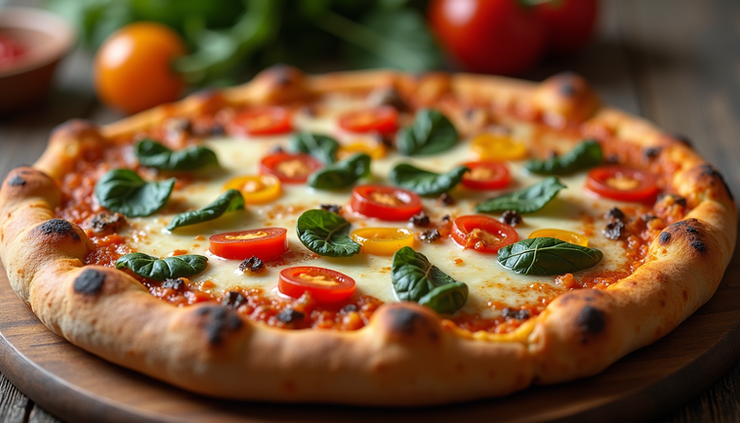
What Makes Pizza So Irresistible?
Pizza’s appeal lies in its perfect balance of textures and flavors. The crust provides a satisfying crunch or chewiness, depending on the style. The tomato sauce adds acidity and sweetness, while the cheese offers creamy richness. Toppings bring variety, from savory meats to fresh vegetables and aromatic herbs.
Popular Toppings and Flavor Combinations
Classic Margherita: Tomato sauce, fresh mozzarella, basil leaves, and a drizzle of olive oil. Simple yet flavorful.
Pepperoni: Spicy, slightly crispy pepperoni slices add a bold, savory punch.
Vegetarian: Bell peppers, mushrooms, onions, olives, and spinach create a colorful, nutrient-rich pizza.
BBQ Chicken: Grilled chicken, barbecue sauce, red onions, and cilantro offer a smoky, tangy twist.
Four Cheese: A blend of mozzarella, parmesan, gorgonzola, and fontina cheeses for a rich, cheesy experience.
Each topping combination offers a unique taste experience, allowing pizza lovers to customize their meals to their preferences.
Health Benefits of Pizza
Pizza often gets a bad reputation as a junk food, but it can be part of a balanced diet when prepared thoughtfully. Here are some nutritional benefits pizza can offer:
Nutritional Ingredients
Tomato Sauce: Rich in lycopene, an antioxidant linked to heart health and cancer prevention.
Cheese: Provides calcium, protein, and vitamin B12, essential for bone health and muscle function.
Whole Grain Crust: Offers fiber that supports digestion and helps maintain steady blood sugar levels.
Vegetable Toppings: Add vitamins, minerals, and antioxidants that support overall health.
Potential for Balanced Meals
A well-made pizza can include carbohydrates, protein, and healthy fats, making it a balanced meal. For example, a pizza with a whole grain crust, lean protein like grilled chicken, and plenty of vegetables can provide energy and nutrients without excessive calories.
Tips for Making Healthier Pizza Choices
You don’t have to give up pizza to eat healthily. Here are some ways to enjoy pizza while keeping it nutritious:
Choose Whole Grain or Alternative Crusts
Whole wheat crust adds fiber and nutrients compared to refined white flour.
Cauliflower crust is a low-carb, vegetable-based option.
Thin crust reduces overall calorie intake compared to thick or stuffed crusts.
Load Up on Fresh Vegetables
Add bell peppers, tomatoes, spinach, mushrooms, onions, and broccoli.
Vegetables increase fiber, vitamins, and antioxidants.
They add flavor and texture without many calories.
Opt for Lean Proteins
Use grilled chicken, turkey, or plant-based proteins like tofu or legumes.
Avoid processed meats like pepperoni or sausage, which are high in saturated fat and sodium.
Use Cheese Wisely
Choose part-skim mozzarella or reduce the amount of cheese.
Try sprinkling strong-flavored cheeses like parmesan or feta in smaller amounts for taste without excess fat.
Control Portion Size
Pair pizza with a side salad or vegetable soup to fill up on fiber and nutrients.
Eat slowly and savor each bite to avoid overeating.
Make Your Own Sauce
Use fresh tomatoes or low-sodium canned tomatoes.
Avoid sauces with added sugars or preservatives.
Experimenting with Flavorful and Healthy Toppings
Trying new toppings can keep pizza exciting and nutritious. Here are some ideas:
Artichoke hearts and sun-dried tomatoes add tangy, rich flavors.
Fresh arugula or basil added after baking brings freshness and a peppery bite.
Pineapple and ham for a sweet and savory contrast.
Roasted garlic and caramelized onions add depth without extra fat.
Avocado slices after baking provide healthy fats and creaminess.
Making Pizza at Home for Better Control
Preparing pizza at home lets you control ingredients and portions. You can experiment with different flours, sauces, and toppings to suit your taste and health goals. Homemade pizza also avoids preservatives and excess sodium found in many store-bought or delivery options.


