


Understanding Mpox: Global Impact, Transmission, Symptoms, and Preventive Measures

Mpox is a recombinant virus that has recently drawn attention due to its unique genetic makeup, combining elements from clades Ib and IIb. This hybrid nature has implications for how the virus spreads, the symptoms it causes, and the strategies needed to control it. Understanding Mpox is crucial as it affects populations worldwide, challenging public health systems and communities alike.
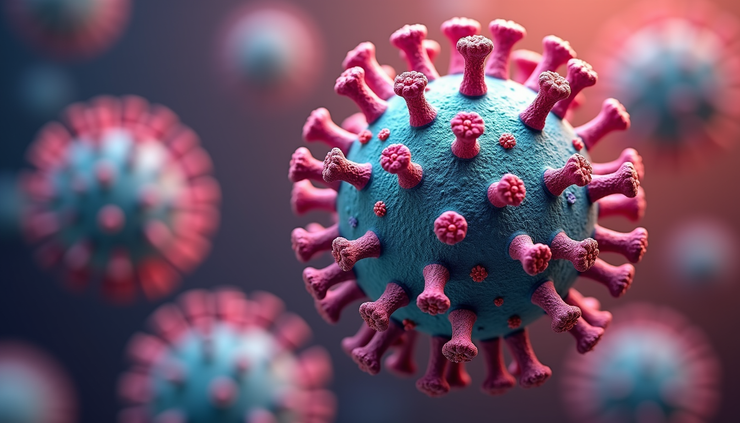
Detailed model of Mpox virus structure highlighting recombinant genomic elements
What Is Mpox and How Did It Emerge?
Mpox is a viral infection caused by a recombinant virus that carries genetic material from two distinct clades: Ib and IIb. These clades represent different strains of the virus, each with its own characteristics. The recombination event means that Mpox has a mixed genome, which can influence its behavior, including how contagious it is and the severity of symptoms it causes.
This recombinant virus was identified through genomic sequencing efforts that revealed the blending of these clades. Such recombination is not uncommon in viruses but requires close monitoring because it can lead to new patterns of infection or resistance to treatments.
Global Impact of Mpox
Since its identification, Mpox has spread to multiple countries across continents, affecting thousands of people. The World Health Organization (WHO) reported over 15,000 confirmed cases worldwide within the first year of its emergence, with cases reported in North America, Europe, Africa, and parts of Asia.
The virus has placed strain on healthcare systems, especially in regions with limited resources. Outbreaks have led to increased hospitalizations and have required coordinated public health responses to contain the spread.
Experts warn that the recombinant nature of Mpox could lead to unpredictable outbreaks if not managed properly. The global impact is not only measured in case numbers but also in the economic and social disruptions caused by quarantine measures and healthcare demands.
How Mpox Spreads
Mpox transmits primarily through close contact with infected individuals or contaminated materials. The main transmission routes include:
Direct skin-to-skin contact with lesions or rashes caused by the virus.
Respiratory droplets during prolonged face-to-face contact.
Contact with contaminated objects such as bedding, clothing, or towels.
Potential sexual transmission, as recent studies suggest the virus can be present in bodily fluids.
The recombinant virus’s genetic makeup may influence its transmission efficiency, but current evidence shows it behaves similarly to other poxviruses in spreading through close contact.
Recognizing Symptoms of Mpox
Symptoms of Mpox typically appear within 5 to 21 days after exposure. They include:
Fever and chills
Headache and muscle aches
Swollen lymph nodes
Fatigue and weakness
A distinctive rash that progresses through stages: macules, papules, vesicles, pustules, and scabs
The rash often starts on the face and spreads to other parts of the body, including the hands and feet. In some cases, lesions can appear in the mouth, eyes, or genital area.
The severity of symptoms varies. Some people experience mild illness, while others may develop complications such as secondary infections or pneumonia. Early diagnosis and supportive care are essential to reduce risks.
Recent Research Findings
Recent studies have focused on understanding the recombinant virus’s behavior and its implications for public health. Key findings include:
Genomic analysis confirms the presence of genetic elements from both clades Ib and IIb, which may affect viral replication and immune evasion.
Transmission studies indicate that while the virus spreads mainly through close contact, airborne transmission under specific conditions cannot be ruled out.
Vaccine effectiveness research shows that existing smallpox vaccines provide some protection against Mpox, but booster doses may be necessary for high-risk groups.
Antiviral treatments are under investigation, with some drugs showing promise in reducing viral load and symptom duration.
These findings help shape guidelines for managing outbreaks and protecting vulnerable populations.
Public Health Responses to Mpox
Countries affected by Mpox have implemented various measures to control its spread:
Surveillance and reporting systems to quickly identify and isolate cases.
Contact tracing to monitor and manage people exposed to the virus.
Vaccination campaigns targeting healthcare workers and at-risk communities.
Public education programs to raise awareness about symptoms and transmission.
Travel advisories and screening at points of entry to limit cross-border spread.
International organizations collaborate to share data and resources, ensuring a coordinated response. Public health officials emphasize the importance of community engagement and transparent communication to build trust and compliance.
Preventive Measures Everyone Can Take
Preventing Mpox requires a combination of personal and community actions:
Avoid close contact with people showing symptoms or with known infections.
Practice good hand hygiene by washing hands regularly with soap and water.
Use protective equipment, such as masks and gloves, when caring for infected individuals.
Do not share personal items like towels, bedding, or clothing.
Clean and disinfect surfaces that may be contaminated.
Seek medical advice promptly if symptoms develop, especially after exposure.
Vaccination remains a key preventive tool for those at higher risk, including healthcare workers and individuals in outbreak areas.
The Role of Awareness and Education
Awareness and education are critical in stopping Mpox from spreading further. Clear, accurate information helps people recognize symptoms early and take appropriate actions. Educational campaigns should:
Use simple language to explain how Mpox spreads and how to protect oneself.
Address myths and misinformation that can cause fear or stigma.
Encourage people to report symptoms without delay.
Promote vaccination and preventive behaviors in communities.
Schools, workplaces, and community centers can serve as platforms for spreading knowledge. Health professionals also need ongoing training to stay updated on the latest research and treatment protocols.
Mpox presents a complex challenge due to its recombinant nature and global reach. Understanding how it spreads, recognizing symptoms early, and following preventive measures can reduce its impact. Public health efforts combined with informed communities offer the best chance to control this virus. Staying aware and proactive is essential to protect yourself and those around you from Mpox.
If you suspect exposure or symptoms, contact healthcare providers promptly for guidance. Together, informed action can limit Mpox’s spread and safeguard public health.


