


Understanding Arthritis: Types Symptoms Causes Management and the Path to Relief

Arthritis affects millions of people worldwide, causing pain, stiffness, and reduced mobility. Despite its prevalence, many people do not fully understand what arthritis is, the different types it includes, or how to manage it effectively. This post explores arthritis in detail, covering its types, symptoms, common causes, risk factors, and practical strategies for managing the condition. Whether you are newly diagnosed or supporting someone with arthritis, this guide offers clear, useful information to help you navigate the challenges and find relief.
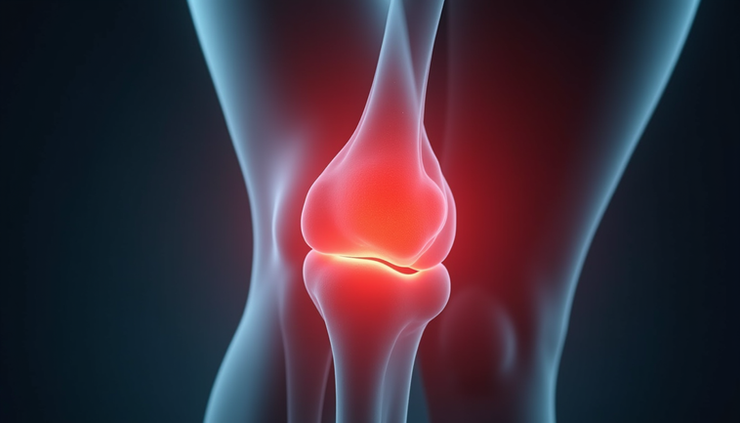
Image caption: Close-up of an inflamed knee joint illustrating common arthritis symptoms such as swelling and redness.
What Is Arthritis?
Arthritis is a general term for conditions that cause inflammation and pain in the joints. It is not a single disease but a group of disorders that affect the joints and surrounding tissues. The inflammation can lead to joint damage, stiffness, and difficulty moving. Arthritis can affect people of all ages, though it is more common in older adults.
Common Types of Arthritis
Several types of arthritis exist, each with unique characteristics. The most common include:
Osteoarthritis (OA)
This is the most prevalent form of arthritis. It occurs when the cartilage that cushions the ends of bones wears down over time. OA often affects weight-bearing joints like the knees, hips, and spine.
Rheumatoid Arthritis (RA)
RA is an autoimmune condition where the immune system mistakenly attacks the joints, causing inflammation. It usually affects smaller joints first, such as those in the hands and feet, and can lead to joint deformity if untreated.
Psoriatic Arthritis
This type occurs in some people with psoriasis, a skin condition. It causes joint pain, stiffness, and swelling, often affecting the fingers and toes.
Gout
Gout results from the buildup of uric acid crystals in the joints, leading to sudden and severe pain, redness, and swelling, commonly in the big toe.
Ankylosing Spondylitis
This form primarily affects the spine, causing inflammation that can lead to chronic pain and stiffness.
Understanding the specific type of arthritis is crucial for effective treatment and management.
Recognizing Arthritis Symptoms
Symptoms can vary depending on the type of arthritis but often include:
Joint pain and tenderness
Swelling and warmth around the joint
Stiffness, especially in the morning or after inactivity
Reduced range of motion
Fatigue and general feeling of unwellness (common in autoimmune types)
Symptoms may develop gradually or appear suddenly. Early diagnosis and treatment can prevent joint damage and improve quality of life.
Causes and Risk Factors
Arthritis develops due to a combination of factors. Some causes and risk factors include:
Age: Risk increases with age, especially for osteoarthritis.
Genetics: Family history can increase the likelihood of certain types like RA.
Joint Injuries: Past injuries can lead to arthritis later in life.
Obesity: Excess weight puts additional stress on joints, particularly knees and hips.
Infections: Some infections can trigger arthritis symptoms.
Autoimmune Disorders: Conditions like RA arise from immune system dysfunction.
Gender: Women are more likely to develop RA, while gout is more common in men.
Identifying risk factors can help in prevention and early intervention.
Managing Arthritis Effectively
While there is no cure for most types of arthritis, many strategies can help manage symptoms and improve daily function.
Lifestyle Changes
Maintain a Healthy Weight
Reducing excess weight decreases joint stress and inflammation.
Stay Active
Regular low-impact exercise such as walking, swimming, or cycling strengthens muscles around joints and improves flexibility.
Protect Your Joints
Use assistive devices if needed and avoid repetitive motions that strain joints.
Diet and Nutrition
Certain foods can influence inflammation and joint health:
Anti-inflammatory foods: Include fatty fish rich in omega-3s (salmon, mackerel), nuts, fruits, and vegetables.
Limit processed foods and sugars: These can increase inflammation.
Stay hydrated: Proper hydration supports joint lubrication.
Some people find relief by avoiding foods that trigger their symptoms, such as nightshades or gluten, but this varies individually.
Exercise Recommendations
Exercise helps reduce stiffness and pain while improving strength and endurance:
Range-of-motion exercises: Help maintain joint flexibility.
Strength training: Builds muscles that support joints.
Aerobic activities: Improve overall fitness and reduce fatigue.
Consult a physical therapist for personalized exercise plans.
Medical Treatments
Seeking medical advice is essential for proper diagnosis and treatment. Options may include:
Medications: Pain relievers, anti-inflammatory drugs, corticosteroids, or disease-modifying drugs for autoimmune arthritis.
Physical therapy: Tailored exercises and treatments to improve joint function.
Surgery: In severe cases, joint replacement or repair may be necessary.
Early treatment can slow disease progression and reduce complications.
When to See a Doctor
If you experience persistent joint pain, swelling, or stiffness that affects your daily life, consult a healthcare professional. Early diagnosis allows for better management and can prevent joint damage. Keep track of symptoms, their duration, and any triggers to share with your doctor.


