


Understanding X-rays: Their Definition, Uses in Medicine and Industry, Benefits, Risks, and Recent Advancements

X-rays have transformed the way we see the world beneath the surface. From diagnosing broken bones to inspecting the integrity of airplane parts, X-rays reveal what is hidden from the naked eye. This blog post explores what X-rays are, how they work, their applications in medicine and industry, the benefits and risks of exposure, and the latest developments in this vital technology.
What Are X-rays and How Do They Work?
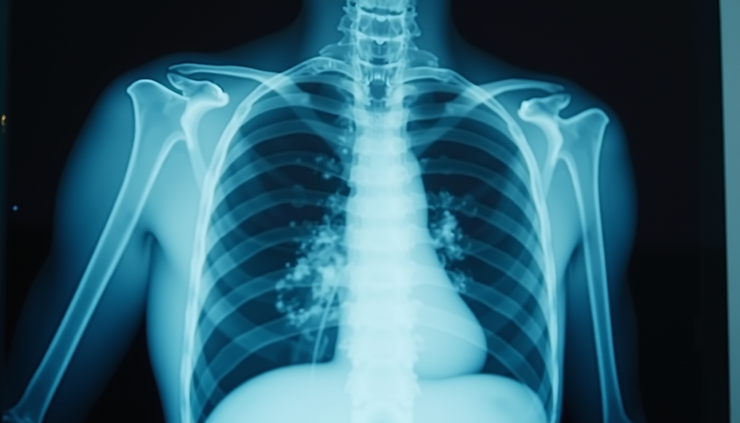
X-rays are a form of electromagnetic radiation, similar to visible light but with much higher energy. This high energy allows X-rays to pass through many materials, including the human body, but they are absorbed differently by various tissues. Bones, for example, absorb more X-rays and appear white on an X-ray image, while softer tissues absorb less and appear darker.
X-ray technology works by generating X-rays through a machine that directs these rays toward the object or body part being examined. When X-rays pass through, a detector captures the pattern of rays that emerge. This pattern forms an image that reveals internal structures.
The basic principle behind X-rays is their ability to penetrate materials to varying degrees based on density and composition. This makes them invaluable for seeing inside objects without cutting them open.
Uses of X-rays in Medicine
Medical imaging is the most well-known use of X-rays. They help doctors diagnose and monitor many conditions quickly and non-invasively. Some common medical uses include:
Bone fractures and injuries: X-rays clearly show broken bones and help guide treatment.
Dental exams: Dentists use X-rays to detect cavities, tooth roots, and jawbone health.
Chest imaging: X-rays reveal lung infections, tumors, and heart size.
Mammography: Specialized X-rays detect breast cancer early.
Fluoroscopy: Real-time X-ray imaging guides procedures like catheter insertions.
X-rays provide fast, detailed images that are critical for accurate diagnosis and treatment planning. They often serve as the first step before more complex imaging like CT scans or MRIs.
Uses of X-rays in Industry
Beyond medicine, X-rays play a crucial role in many industries by inspecting materials and products without damaging them. Key industrial applications include:
Non-destructive testing (NDT): X-rays check for cracks, voids, or defects inside metal parts, welds, and composites in aerospace, automotive, and construction.
Security screening: Airports and border controls use X-ray scanners to detect prohibited items in luggage.
Quality control: Manufacturers use X-rays to verify the integrity of electronics, batteries, and packaging.
Archaeology and art: X-rays reveal hidden layers in artifacts and paintings without harm.
These uses help ensure safety, quality, and authenticity across many fields by providing detailed internal views.
Benefits and Risks of X-ray Exposure
X-rays offer many benefits but also come with risks due to their ionizing radiation, which can damage cells and DNA. Understanding both sides helps balance their use safely.
Benefits
Non-invasive diagnosis: X-rays allow doctors to see inside the body without surgery.
Speed and accessibility: X-ray machines are widely available and provide quick results.
Cost-effective: Compared to other imaging methods, X-rays are generally less expensive.
Industrial safety: Detecting flaws early prevents accidents and failures.
Risks
Radiation exposure: High doses or repeated exposure increase cancer risk.
Tissue damage: Sensitive tissues can be harmed by excessive radiation.
Pregnancy concerns: X-rays can affect fetal development, so precautions are necessary.
Medical professionals minimize risks by using the lowest effective dose, shielding parts of the body, and limiting repeat scans. In industry, safety protocols protect workers from unnecessary exposure.
Recent Advancements in X-ray Technology
X-ray technology continues to improve, making imaging safer, clearer, and more versatile. Some recent advancements include:
Digital X-rays: Replace traditional film with digital detectors, providing instant images and reducing radiation doses.
3D imaging and tomography: Techniques like CT scans create detailed 3D views from multiple X-ray images.
Portable X-ray devices: Compact machines allow imaging in remote or emergency settings.
Phase-contrast X-ray imaging: Enhances contrast in soft tissues without increasing radiation.
AI integration: Artificial intelligence helps interpret X-ray images faster and with greater accuracy.
These innovations expand the possibilities of X-ray use, improving patient care and industrial inspection.
X-rays remain a powerful tool for revealing what lies beneath surfaces, whether in the human body or manufactured materials. Their ability to provide quick, detailed images has saved countless lives and ensured safety in many industries. By understanding how X-rays work, their applications, and the balance of benefits and risks, we can appreciate their vital role and look forward to ongoing improvements in this technology. If you want to learn more about medical imaging or industrial testing, exploring the latest X-ray advancements is a great next step.


