


Understanding Hemoglobin's Role in Health and How to Maintain Optimal Levels

Hemoglobin plays a vital role in keeping our bodies healthy and energized. Without it, oxygen could not travel efficiently from our lungs to every cell, leaving us fatigued and vulnerable to illness. Understanding what hemoglobin is, how it works, and why its levels matter can empower you to take better care of your health. This post explores the structure and function of hemoglobin, common disorders linked to it, and practical tips to maintain healthy levels through diet and lifestyle.
What Hemoglobin Is and Its Role in the Body
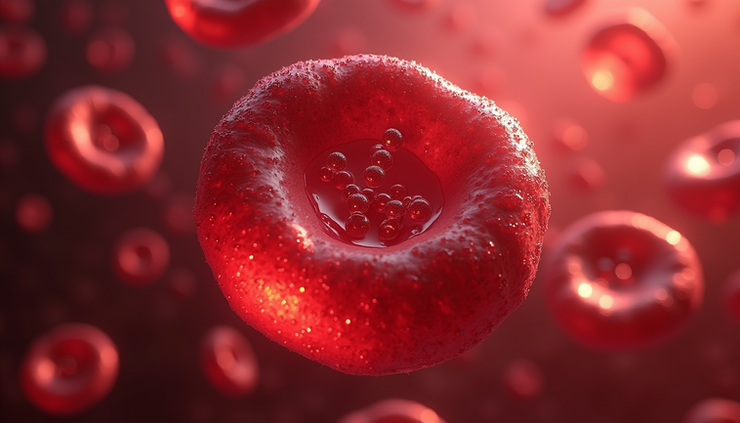
Hemoglobin is a protein found in red blood cells. Its main job is to carry oxygen from the lungs to tissues and organs throughout the body. It also helps transport carbon dioxide, a waste product, back to the lungs to be exhaled. This exchange is essential for cellular respiration, the process by which cells produce energy.
Each red blood cell contains millions of hemoglobin molecules. When you breathe in, oxygen binds to hemoglobin, which then travels through your bloodstream delivering oxygen to where it’s needed most. Without enough hemoglobin, your body struggles to get the oxygen it requires, leading to symptoms like weakness, shortness of breath, and dizziness.
The Structure of Hemoglobin and How It Carries Oxygen
Hemoglobin has a unique structure that allows it to bind oxygen efficiently. It consists of four protein subunits, each containing a heme group. The heme group includes an iron atom at its center, which is the key to oxygen binding.
When oxygen enters the lungs, it attaches to the iron atoms in the heme groups. This binding changes the shape of hemoglobin slightly, making it easier for more oxygen molecules to attach. Once hemoglobin reaches tissues with lower oxygen levels, it releases the oxygen, which cells then use for energy production.
This process is reversible and highly efficient, allowing hemoglobin to pick up oxygen in the lungs and release it where it’s needed most. The iron in hemoglobin also gives red blood cells their characteristic color.
Why Hemoglobin Levels Matter for Health
Measuring hemoglobin levels is a common way to assess overall health. Normal levels vary by age, sex, and sometimes altitude, but generally:
For men: 13.8 to 17.2 grams per deciliter (g/dL)
For women: 12.1 to 15.1 g/dL
For children: 11 to 16 g/dL
Low hemoglobin levels can indicate anemia, a condition where the body doesn’t have enough healthy red blood cells. This can cause fatigue, weakness, and other symptoms. High hemoglobin levels, though less common, may signal dehydration or other medical issues.
Regular blood tests can help monitor hemoglobin levels and detect potential problems early. If you experience symptoms like persistent tiredness, pale skin, or shortness of breath, it’s wise to consult a healthcare provider.
Common Disorders Related to Hemoglobin
Several health conditions involve abnormal hemoglobin levels or function. Two of the most common are anemia and sickle cell disease.
Anemia
Anemia occurs when hemoglobin levels drop below normal. Causes include:
Iron deficiency, the most common cause, often due to poor diet or blood loss
Vitamin B12 or folate deficiency
Chronic diseases like kidney disease or cancer
Genetic conditions affecting red blood cell production
Symptoms of anemia include fatigue, weakness, pale skin, dizziness, and cold hands or feet. Treatment depends on the cause but often involves dietary changes, supplements, or addressing underlying health issues.
Sickle Cell Disease
Sickle cell disease is a genetic disorder where hemoglobin molecules form abnormally. Instead of being round and flexible, red blood cells become rigid and shaped like a sickle. These misshapen cells can block blood flow, causing pain, organ damage, and increased risk of infection.
This condition requires careful medical management, including medications, lifestyle adjustments, and sometimes blood transfusions.
Tips for Maintaining Healthy Hemoglobin Levels
Maintaining healthy hemoglobin levels supports overall well-being and energy. Here are practical ways to keep your hemoglobin in a good range:
Eat Iron-Rich Foods
Iron is essential for producing hemoglobin. Include these foods in your diet:
Red meat, poultry, and fish
Leafy green vegetables like spinach and kale
Beans, lentils, and chickpeas
Fortified cereals and whole grains
Nuts and seeds
Pair iron-rich plant foods with vitamin C sources like citrus fruits or bell peppers to improve absorption.
Ensure Adequate Vitamin Intake
Vitamins B12 and folate are crucial for red blood cell production. Good sources include:
Eggs and dairy products
Meat and fish
Leafy greens and legumes
Fortified cereals
If you follow a vegetarian or vegan diet, consider supplements after consulting a healthcare provider.
Stay Hydrated
Dehydration can concentrate your blood and affect hemoglobin readings. Drink enough water daily to support healthy blood volume.
Avoid Excessive Alcohol and Smoking
Both can interfere with red blood cell production and reduce hemoglobin levels.
Regular Exercise
Physical activity improves circulation and stimulates red blood cell production. Aim for at least 150 minutes of moderate exercise per week.
Monitor Health Conditions
Manage chronic diseases like kidney problems or inflammatory conditions with your healthcare provider’s guidance to prevent hemoglobin imbalances.


