


The Nutritional Power of Fermented Indian Foods Dosa Idli and Kanji for Better Gut Health

Fermentation has been a cornerstone of Indian cuisine for centuries, transforming simple ingredients into flavorful, nutritious dishes. Among these, dosa, idli, and kanji stand out not only for their taste but also for their health benefits. These traditional fermented foods support digestion, improve nutrient absorption, and promote gut health. This post explores the cultural significance of these dishes, the science behind fermentation, and practical ways to include them in your daily meals.
Understanding Fermentation in Indian Cuisine
Fermentation is a natural process where microorganisms like bacteria and yeast break down sugars and starches in food. This process enhances flavor, texture, and shelf life. In Indian cooking, fermentation is more than preservation; it is a method to unlock nutritional value and create unique dishes.
The fermentation of rice and lentils, for example, produces lactic acid bacteria that improve the digestibility of these staples. This is why fermented foods are often easier on the stomach compared to their non-fermented counterparts.
Traditional Fermented Indian Foods
Dosa
Dosa is a thin, crispy pancake made from a fermented batter of rice and urad dal (black gram). The fermentation process usually takes 8 to 12 hours, during which natural bacteria break down the starches, creating a tangy flavor and airy texture.
Dosa is a staple in South Indian households and is often served with sambar (a lentil-based vegetable stew) and coconut chutney. Its fermentation not only enhances taste but also increases the bioavailability of nutrients like B vitamins and proteins.
Idli
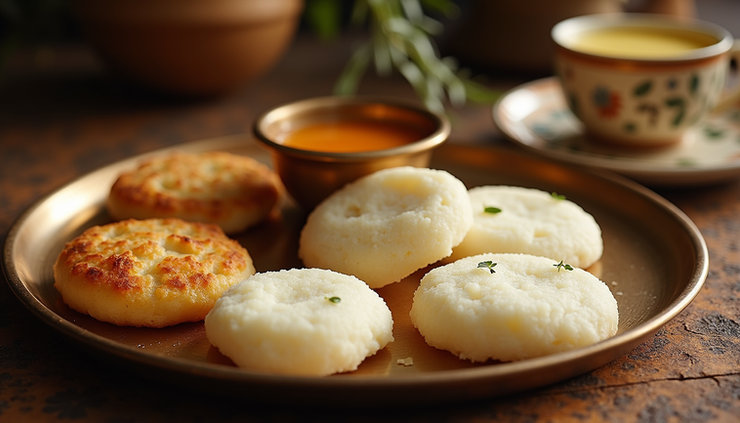
Idli is a soft, fluffy steamed cake made from a similar fermented batter of rice and urad dal. The fermentation process causes the batter to rise, resulting in a light texture. Idlis are a popular breakfast item across India and are known for being gentle on the digestive system.
Because idlis are steamed, they retain moisture and nutrients without added fat, making them a healthy choice. The fermentation also reduces phytic acid, an anti-nutrient that can inhibit mineral absorption.
Kanji
Kanji is a traditional fermented rice water drink, often prepared by fermenting leftover rice in water with mustard seeds and sometimes vegetables or spices. It is consumed widely in parts of North and East India, especially during the winter months.
Kanji is rich in probiotics, which support gut flora balance. It is also believed to aid digestion and boost immunity. The sour, tangy taste is a result of lactic acid fermentation, similar to other fermented foods.
Health Benefits of Fermented Indian Foods
Improved Digestion
Fermentation breaks down complex carbohydrates and proteins into simpler compounds. This makes dosa, idli, and kanji easier to digest, especially for people with sensitive stomachs or digestive issues.
The probiotics produced during fermentation help maintain a healthy balance of gut bacteria. This can reduce symptoms of bloating, constipation, and indigestion.
Enhanced Nutrient Absorption
Fermentation reduces anti-nutrients like phytic acid and tannins, which can bind minerals and reduce their absorption. By lowering these compounds, fermented foods improve the availability of iron, calcium, and zinc.
Additionally, fermentation increases the levels of certain vitamins, such as B vitamins and vitamin K2, which are essential for energy metabolism and bone health.
Gut Health Support
A healthy gut microbiome is linked to overall well-being, including immune function and mental health. Fermented foods like dosa, idli, and kanji introduce beneficial bacteria that colonize the gut and support its ecosystem.
Regular consumption of these foods can help restore gut flora after antibiotic use or illness, promoting faster recovery and better long-term health.
How to Incorporate Fermented Indian Foods into Daily Meals
Including dosa, idli, and kanji in your diet can be simple and enjoyable. Here are some practical tips:
Breakfast Boost: Start your day with idli or dosa paired with sambar and chutney. These dishes provide a balanced mix of carbohydrates and protein to fuel your morning.
Snack Time: Dosa can be made in smaller sizes and filled with vegetables or paneer for a nutritious snack.
Hydrating Drink: Kanji makes a refreshing and healthy drink, especially during colder months. It can be consumed plain or with added spices like black pepper or ginger for extra flavor.
Meal Prep: Prepare dosa or idli batter in advance and refrigerate it. The batter continues to ferment slowly in the fridge, so you can enjoy fresh fermented foods throughout the week.
Experiment with Variations: Try adding millets or other grains to the batter for dosa and idli to increase fiber and nutrient content.
Cultural Significance of Fermented Foods in India
Fermented foods like dosa, idli, and kanji are deeply rooted in Indian culture. They reflect regional diversity and traditional knowledge passed down through generations. These foods are often associated with festivals, rituals, and family gatherings.
The fermentation process itself symbolizes patience and care, as it requires time and the right conditions to develop the perfect flavor and texture. This connection to heritage makes these dishes more than just food—they are a link to history and community.


