


The Health Benefits of Fish Exploring Nutritional Value Easy Recipes and Tips

Eating fish regularly offers a powerful boost to your health. Rich in essential nutrients, fish can improve heart health, brain function, and overall well-being. This post explores the nutritional value of various types of fish, highlights key health benefits, and shares practical tips and simple recipes to help you enjoy more fish in your diet.
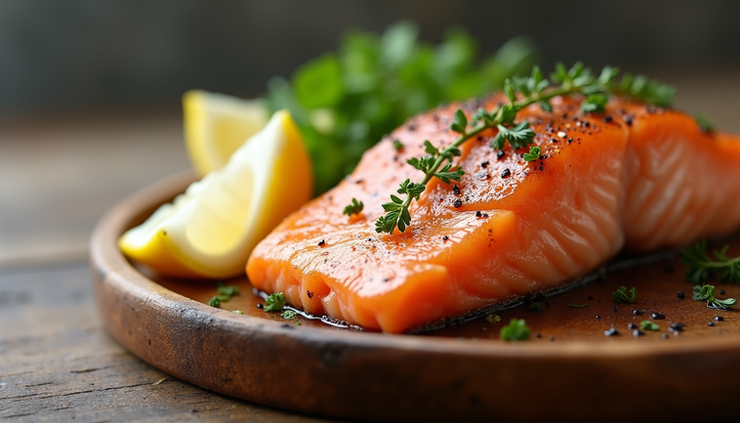
Why Fish Is a Nutritional Powerhouse
Fish provides a unique combination of nutrients that support many aspects of health. It is an excellent source of:
Omega-3 fatty acids: These healthy fats help reduce inflammation, support heart health, and improve brain function.
High-quality protein: Fish contains all essential amino acids needed for muscle repair and growth.
Vitamins and minerals: Fish is rich in vitamin D, B vitamins (especially B12), selenium, and iodine.
Eating fish regularly is linked to lower risks of heart disease, stroke, and cognitive decline. The omega-3 fatty acids EPA and DHA found in fatty fish like salmon and mackerel are especially beneficial.
Types of Fish and Their Nutritional Profiles
Different fish offer varying amounts of nutrients. Here are some popular types and what they bring to the table:
Fatty Fish
Fatty fish have higher oil content, making them rich in omega-3s.
Salmon: One of the best sources of omega-3s, vitamin D, and protein. A 3-ounce serving provides about 1,500 mg of omega-3s.
Mackerel: Contains high levels of omega-3s and vitamin B12.
Sardines: Packed with omega-3s, calcium (from edible bones), and vitamin D.
Trout: Offers omega-3s and is a good source of potassium.
Lean Fish
Lean fish have less fat but still provide quality protein and important nutrients.
Cod: Low in fat, high in protein, and contains vitamin B12 and selenium.
Tilapia: Mild flavor, good protein source, and contains some omega-3s.
Haddock: Similar to cod, rich in protein and low in fat.
Pollock: Common in fish sticks, provides protein and some omega-3s.
Shellfish and Other Seafood
While not fish, shellfish like shrimp, crab, and oysters also offer nutrients like zinc, vitamin B12, and protein.
Key Health Benefits of Eating Fish
Supports Heart Health
Research shows that eating fish twice a week can lower the risk of heart disease. Omega-3 fatty acids help reduce blood pressure, lower triglycerides, and prevent blood clots.
Boosts Brain Function
Omega-3s are vital for brain health. They support memory, mood regulation, and may reduce the risk of neurodegenerative diseases.
Promotes Healthy Bones
Vitamin D in fish helps the body absorb calcium, supporting strong bones and reducing the risk of osteoporosis.
Aids Muscle Growth and Repair
Fish provides complete protein, essential for muscle maintenance and repair, especially important as we age.
Supports Eye Health
Omega-3s and vitamin A found in some fish help maintain good vision and may reduce the risk of age-related macular degeneration.
How to Add More Fish to Your Diet
Incorporating fish into your meals can be simple and delicious. Here are some tips:
Start with familiar fish like salmon or tilapia to ease into new flavors.
Try canned fish such as tuna or sardines for quick meals or snacks.
Use fish in salads, tacos, or sandwiches for variety.
Experiment with different cooking methods like grilling, baking, steaming, or poaching.
Include fish in weekly meal planning to ensure regular intake.
Easy and Healthy Fish Recipes
1. Lemon Herb Baked Salmon
Ingredients:
4 salmon fillets
2 tablespoons olive oil
Juice of 1 lemon
2 cloves garlic, minced
1 teaspoon dried dill or fresh herbs
Salt and pepper to taste
Instructions:
Preheat oven to 400°F (200°C).
Place salmon fillets on a baking sheet lined with parchment paper.
Mix olive oil, lemon juice, garlic, herbs, salt, and pepper.
Brush mixture over salmon.
Bake for 12-15 minutes until salmon flakes easily with a fork.
Serve with steamed vegetables or a side salad.
2. Quick Tuna Salad Wrap
Ingredients:
1 can tuna in water, drained
2 tablespoons Greek yogurt or light mayo
1 tablespoon chopped celery
1 tablespoon chopped red onion
Salt and pepper to taste
Whole wheat tortilla or wrap
Instructions:
Mix tuna, yogurt, celery, onion, salt, and pepper in a bowl.
Spread mixture on tortilla.
Roll up and slice in half.
Perfect for a quick lunch or snack.
3. Grilled Mackerel with Garlic and Lemon
Ingredients:
2 whole mackerel, cleaned
3 cloves garlic, minced
Juice of 1 lemon
2 tablespoons olive oil
Salt and pepper
Instructions:
Preheat grill to medium-high heat.
Mix garlic, lemon juice, olive oil, salt, and pepper.
Brush mixture inside and outside of mackerel.
Grill fish for 5-6 minutes per side until cooked through.
Serve with grilled vegetables or rice.
Cooking Tips for the Best Fish Experience
Don’t overcook fish; it should be opaque and flake easily.
Use fresh herbs and citrus to enhance flavor without extra calories.
Try foil packets for easy baking and cleanup.
Marinate fish briefly to add flavor and keep it moist.
Pair fish with colorful vegetables for a balanced meal.
Choosing Sustainable Fish
When possible, select sustainably sourced fish to protect ocean health. Look for certifications like MSC (Marine Stewardship Council) or buy from trusted local fishmongers.
Eating fish regularly offers many health benefits thanks to its rich nutrient profile. By choosing a variety of fish and using simple cooking methods, you can enjoy delicious meals that support your heart, brain, and overall wellness. Start adding fish to your weekly menu today and experience the difference it makes.


